Thin hair can look sharp, modern, and full of character when the cut works with it instead of against it.
The best men haircut ideas for thin hair are the ones that add shape, create the look of hair volume, and make daily styling easier. That matters because thin hair is not just about density; it is also about hair texture, growth pattern, and how much effort you want to spend in the morning. A good haircut can make fine strands look thicker, keep the style balanced with your face shape, and give you a cleaner, more confident finish without trying too hard.
When you are choosing a cut, start with your natural hair type and lifestyle. If your hair lies flat, shorter styles often give a fuller appearance because they remove weight. If you have some wave or a little texture, medium hair can work well too, especially with soft layers that keep movement without letting the hair collapse. Longer styles are possible, but they usually need more careful maintenance and smarter styling tips so the ends do not separate too much. The goal is to pick a haircut that looks intentional even on low-effort days.
Face shape also makes a real difference. A round face usually benefits from a bit of height on top and tighter sides, while a square face can look strong with clean structure and slightly softer texture through the fringe. If your face is longer, adding balance with a fuller front or a slightly wider silhouette can help. For oval faces, most men haircut ideas for thin hair work well, so the focus can stay on texture, styling ease, and personal style. A skilled barber will usually look at the head shape, hairline, and crown area before suggesting the most flattering direction.
Current hairstyle trends lean toward natural movement, relaxed texture, and cuts that do not look overdone. That is good news for thin hair, because overly polished styles can expose sparse areas. A French crop, for example, can work nicely when you want something neat, modern, and easy to maintain, especially if you like a short fringe with texture. A comb over fade can also be a smart option when you want a clean shape that adds definition, as long as the top has enough length to style with subtle lift. If you prefer a softer, more fashion-forward look, curtain-style hair can be surprisingly flattering when the hair has enough body and the parting is not too severe.
Texture matters more than most people think. Straight thin hair often needs a little strategic layering or controlled bluntness to create the impression of density, while wavy hair can naturally build the look of fullness with less effort. In both cases, the best haircut is usually one that avoids excessive thinning and removes only the weight that drags the hair down. Too much texturizing can make thin hair look even lighter, so a careful approach is usually better than chasing dramatic shape for its own sake.
Styling is where the cut really comes to life. A light matte product often works better than anything heavy or greasy, because heavy products can flatten thin strands and expose the scalp. Blow-drying with direction can add noticeable lift at the roots, and even a small amount of volume-focused styling can change the whole silhouette. If you are wearing a style that needs movement through the front, learning how to guide the fringe or parting makes a big difference. For a more relaxed shape, keeping the top airy and the sides tidy helps the haircut look deliberate rather than sparse. You can also find more practical guidance in choosing a cut that matches your hair type, especially if you are deciding between short, medium, or longer options.
Hair care is part of the equation too. Healthy hair tends to look fuller, even when the strands are fine. Gentle cleansing, avoiding excessive heat, and keeping the scalp in good condition can help preserve the look of density. Regular trims are important because thin hair can start to look tired when the ends get wispy. If you are growing out a style, maintenance does not have to be complicated, but it should be consistent. Small touch-ups keep the outline strong, which matters a lot when the hair itself is light.
For men who like a more structured shape, short hair usually offers the most reliable results. It is easier to control, faster to style, and often looks thicker because there is less length pulling the hair downward. Medium hair, on the other hand, can feel more stylish and versatile if you are willing to work with texture and product. Long hair can still be part of the conversation, but it needs patience, regular conditioning, and a very realistic understanding of how your hair behaves on an ordinary day. If your goal is to keep styling simple, a shorter approach is usually the safest and most flattering route.
Protective styles are less about hiding thin hair and more about reducing stress on it. That means avoiding tight pulling, harsh brushing, and over-manipulating the hair every day. If you wear a longer top, a relaxed shape that does not tug at the roots can help preserve the hairline and keep the overall look healthier. This is also where thoughtful routine changes matter, because the best haircut ideas only work well if the hair underneath is in good condition.
Some of the most effective men haircut ideas for thin hair are not about chasing a dramatic transformation. They are about building a shape that suits your face, respects your texture, and makes the hair look fuller in a natural way. A smart cut, a realistic styling routine, and the right level of maintenance can give thin hair real presence without making it feel overstyled. Whether your taste runs classic, modern, or somewhere in between, the most flattering result is usually the one that looks easy, fits your life, and lets your hair move with confidence.
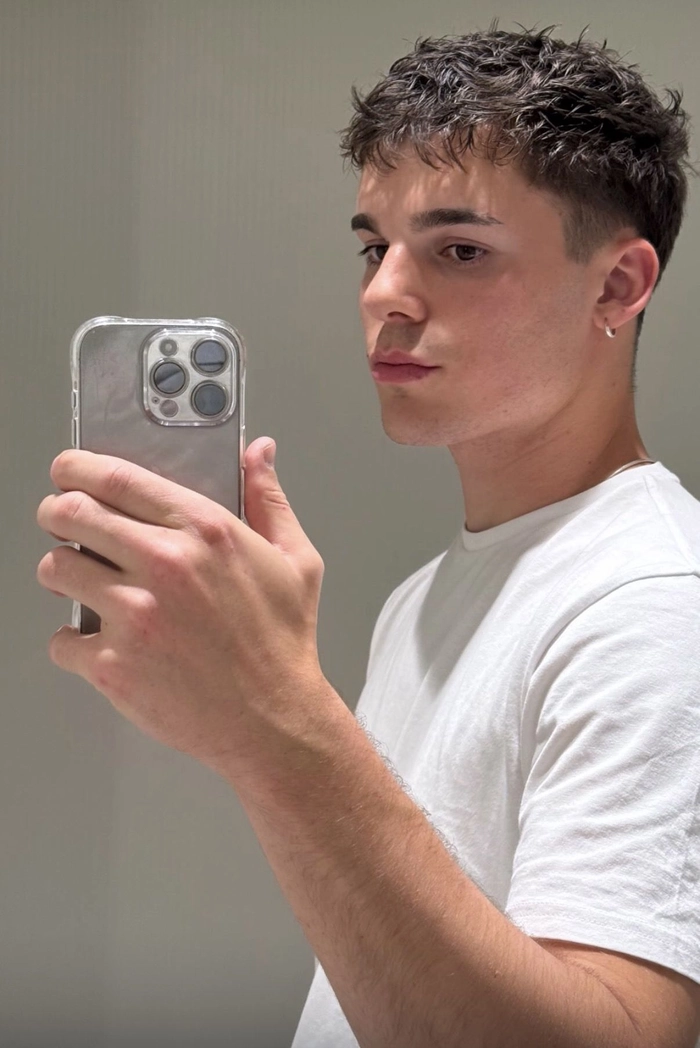
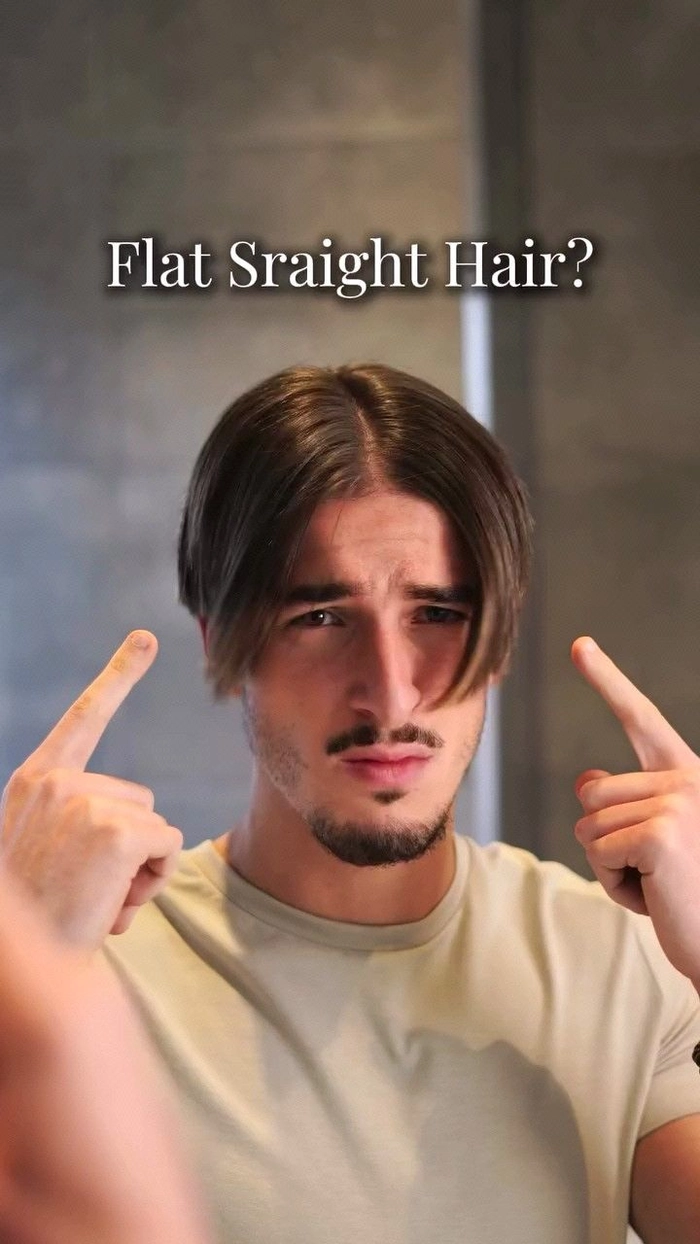
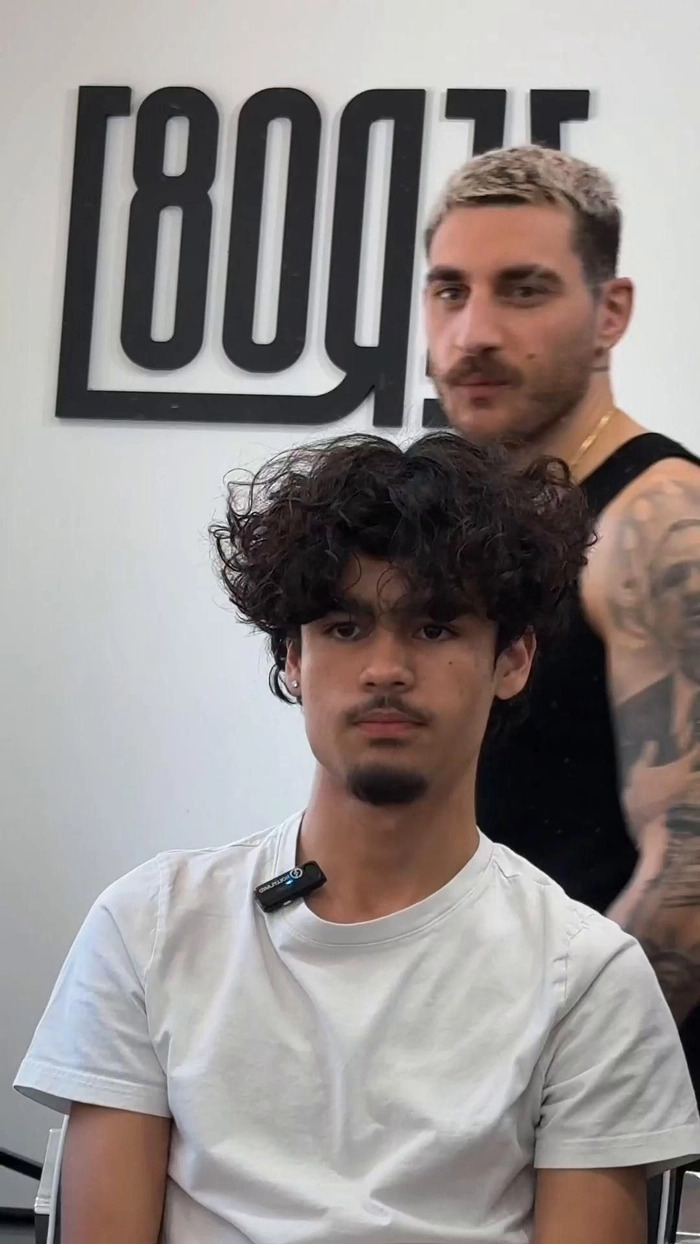 Best Men’s Curly Haircut Ideas
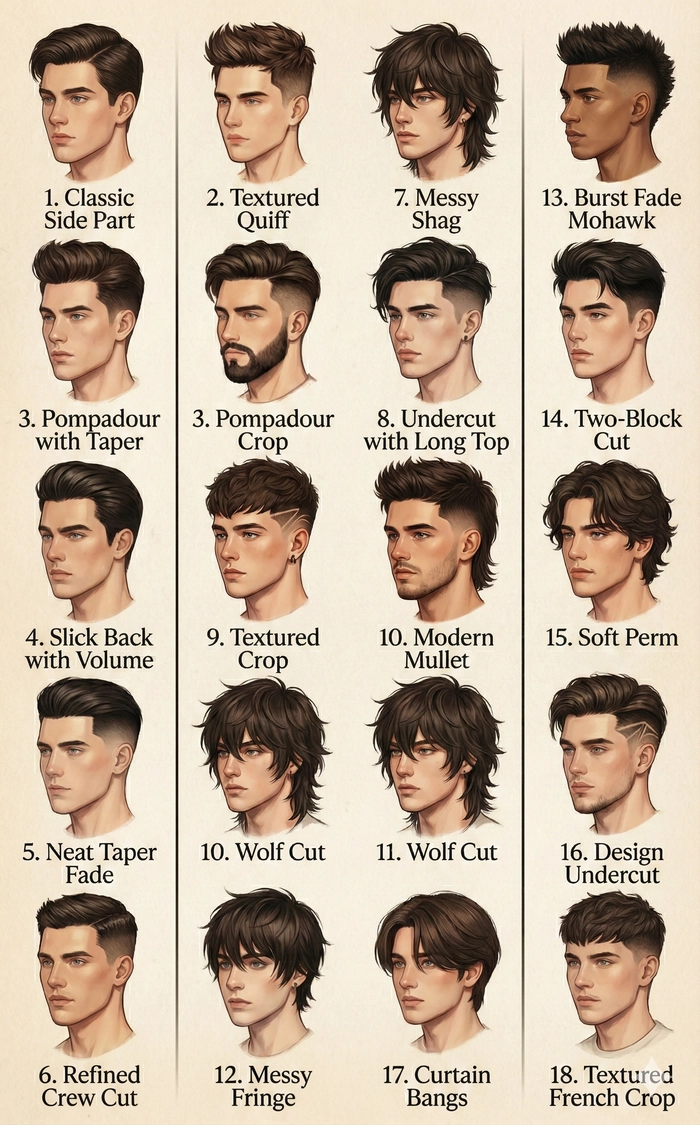 Men’s Haircut Ideas for Thick Hair
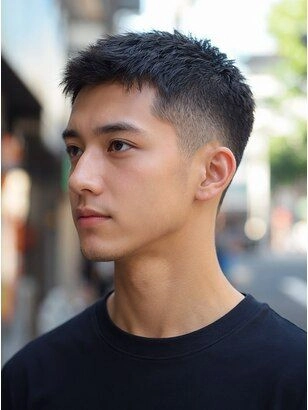 Best Men’s Haircut Ideas for Coarse Hair
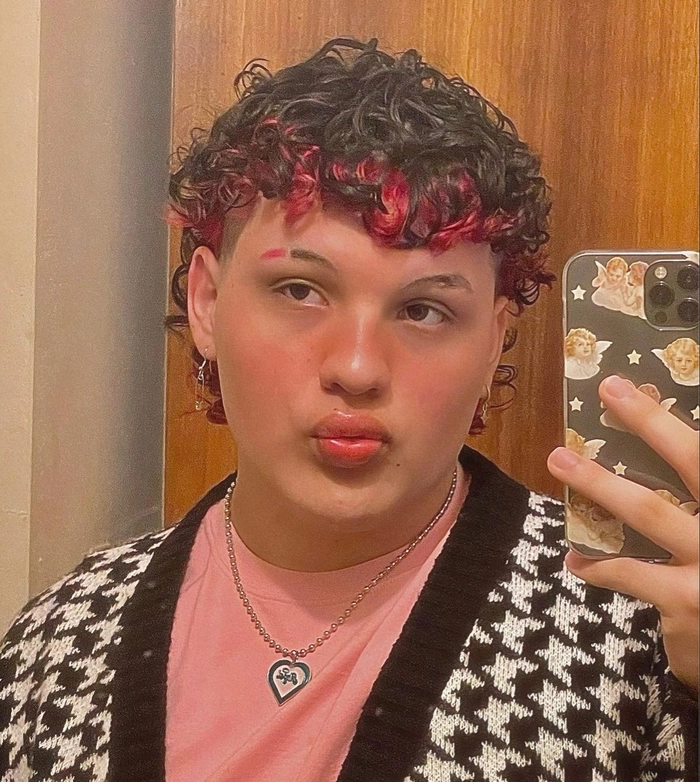 Men’s Haircut Ideas for Wavy Hair
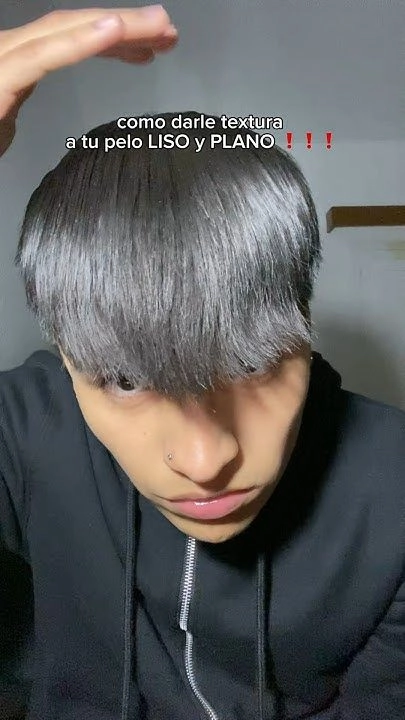 Straight Hair Haircut Ideas for Men
 Best Haircut Ideas for Men with Bald Spots